ABOUT US
Percolation Tests is a small, specialist team based in Wolverhampton, run by a drainage engineer with eighteen years in the industry. We do percolation and infiltration testing, and very little else — which is the whole point. It means we get to site quickly, we own the machinery rather than waiting on a sub-contractor, and we know what a planning officer is going to ask for before they ask for it.
What we do, and what we don’t
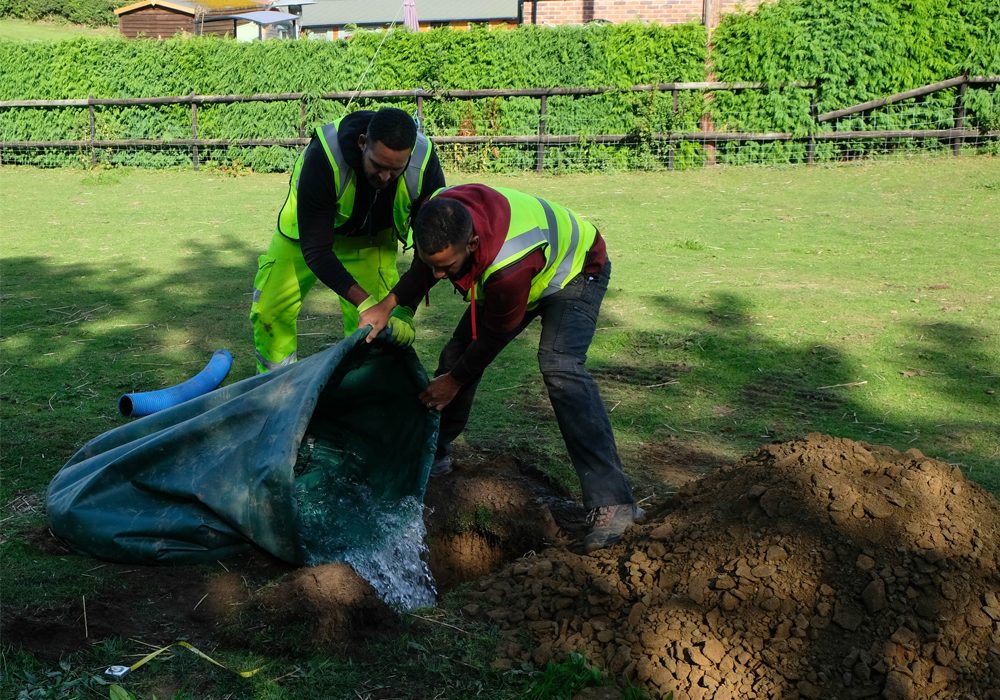
We carry out surface water percolation testing to BRE Digest 365, and foul infiltration testing to BS 6297 for septic tanks and treatment plants. Where a site needs a full drainage strategy, we work alongside a local engineering practice so the testing and the design come from one place.
What we do not do is treat testing as a sideline to something else. Most firms offering percolation tests are groundworkers or engineers who fit them in around other work. That tends to show up as long lead times and results that get queried. Testing is our whole business.
BY THE NUMBERS
Where we have got to
750+ tests since 2018
From Devon up to Yorkshire, and from west Wales across to Kent, though the Midlands and the Welsh borders are our doorstep.
BRE 365 and BS 6297
Surface water tested to BRE Digest 365; foul drainage fields sized to BS 6297, as Part H of the Building Regulations requires.
Our own machinery
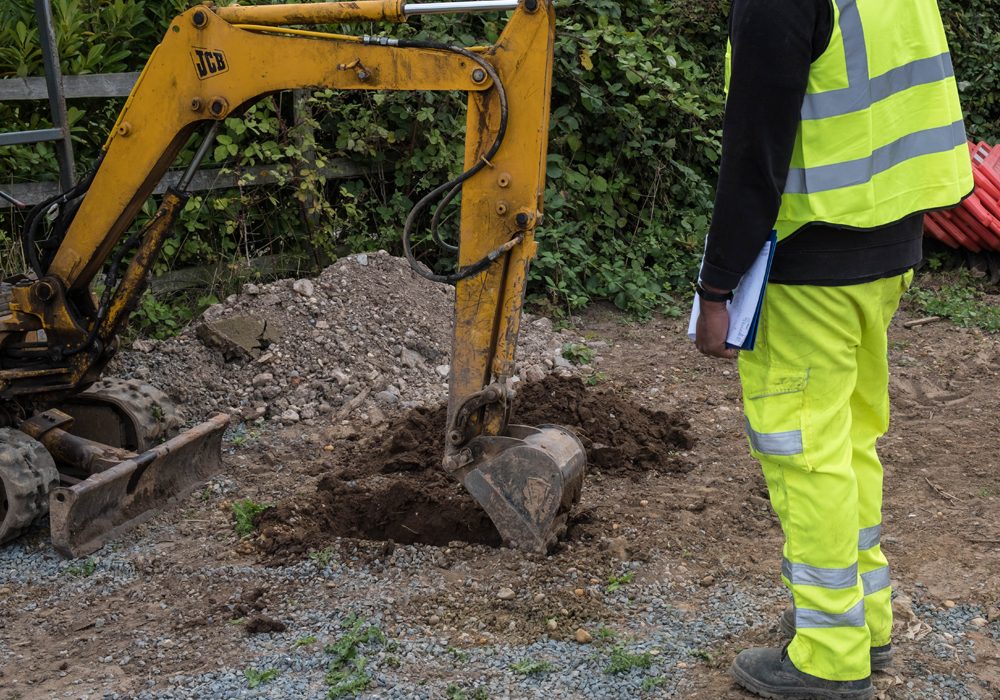
We dig the trial pits ourselves. No sub-contractors, lower overheads, and a price that reflects that.
Fully insured
Covered for work on your site, so there is nothing for you or your main contractor to chase before we turn up.
18 years in drainage
The business is run by a drainage engineer, so the testing is done by someone who knows what the design will need from it.
Run by a drainage engineer
This matters more than it might sound. Most firms offering percolation tests come at it from groundworks — they can dig a hole and time it, but the number lands on the engineer’s desk and the conversation starts again. With eighteen years in drainage behind the business, the testing is done by someone who already knows what the soakaway design, the drainage strategy and the planning condition are going to need from it.
In practice that means trial pits put where the soakaway is actually going rather than where the ground is easiest, a report written in the form your engineer wants it, and a straight answer on the phone about whether a site is likely to work before anybody books a visit. It also means that when a test fails we can talk sensibly about what comes next, rather than just handing over a bad number.
How we work
A proper BRE365 test takes time. Each trial pit is filled and timed three separate times, and has to drain fully in between. We plan the visit around that rather than rushing it, because a figure produced quickly is a figure that gets challenged.
We would rather tell you a site will not take water than hand over a flattering number. If infiltration is not viable, that result is still useful — it is the evidence your engineer needs to justify a different drainage approach, and it is what a water authority will want to see before accepting a surface water connection.
Where we work
We are based in Wolverhampton and cover the Midlands, the Welsh borders and Cheshire as standard, travelling a good deal further when the job calls for it. The map on our homepage shows where we have actually tested — every dot is a real site.
Get in touch
Tell us the site postcode and roughly what is proposed. We reply to enquiries within 24 hours, and ask that you allow up to 48 hours for a fee proposal.