
WHAT WE DO
We are specialists rather than generalists. Percolation and infiltration testing is what we do all day, every day, which is why we can usually get to site quickly and turn a report around without fuss. Everything below is carried out by us directly: we own the machinery rather than sub-contracting the digging.
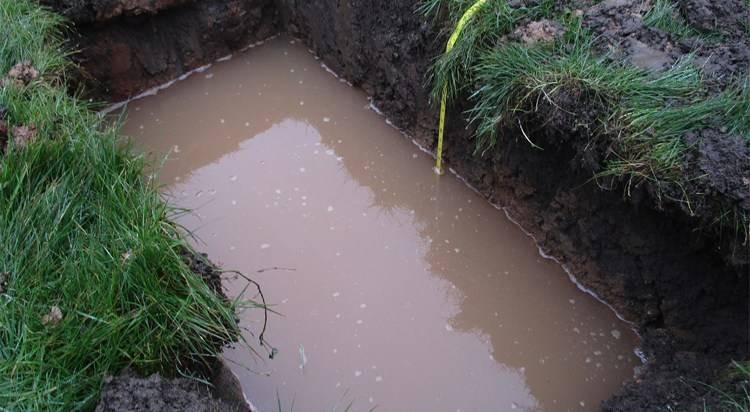
Percolation Testing (BRE 365)
Soakaway testing to BRE Digest 365, giving your engineer the infiltration rate needed to size a surface water soakaway, and the evidence planning asks for.
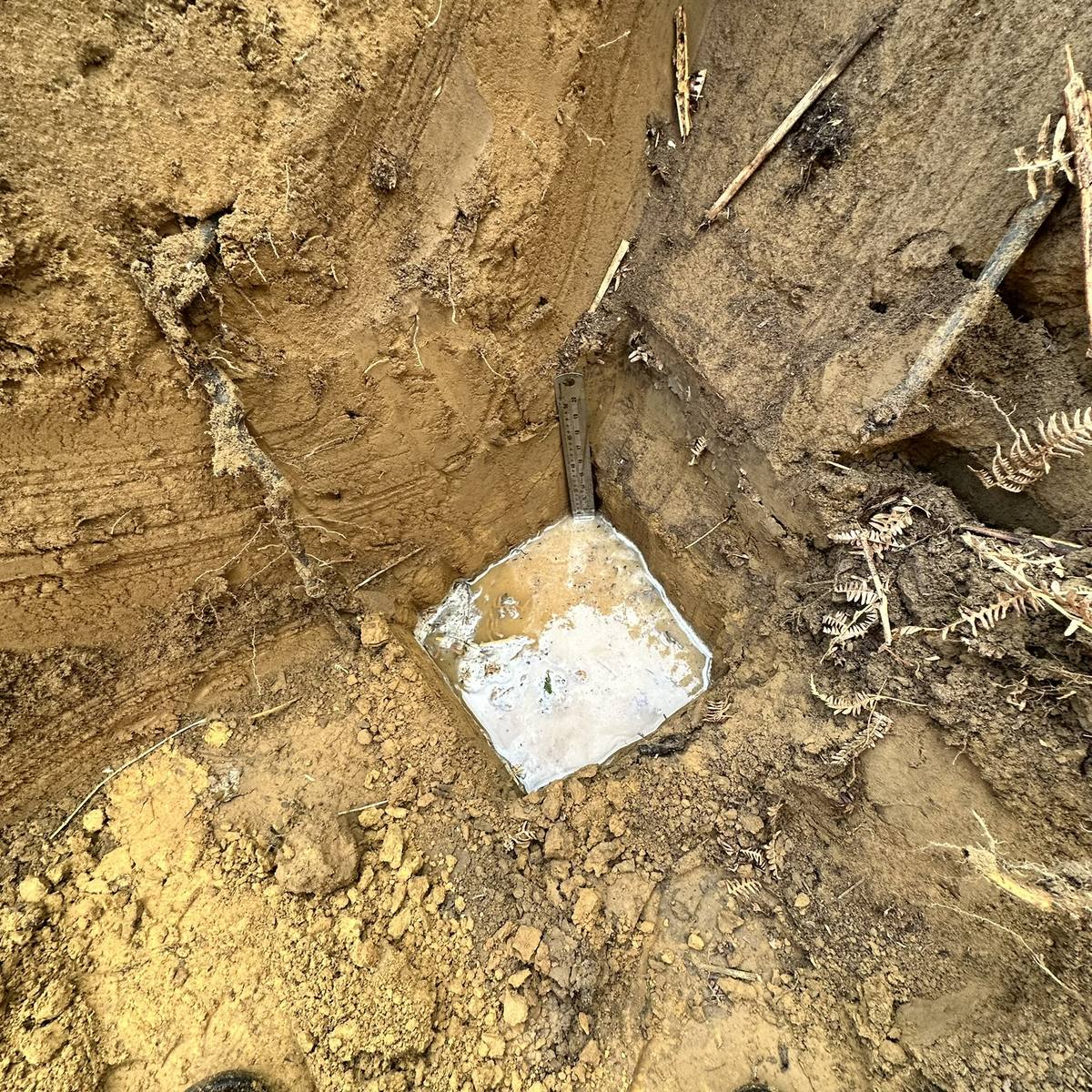
Foul Infiltration Testing (BS 6297)
Testing to BS 6297 and Part H, to size the drainage field for a septic tank or package treatment plant where there is no mains foul connection.
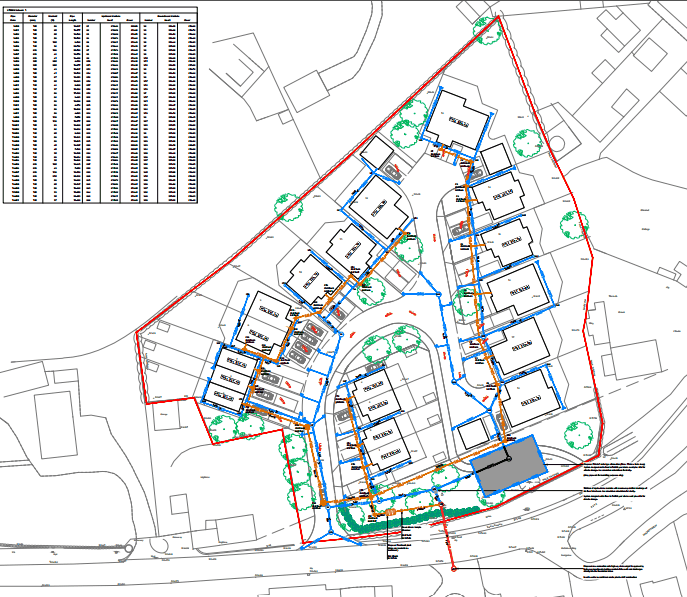
Drainage Strategy (SuDS)
Sustainable drainage strategies for planning, from the testing through to construction issue, prepared with the engineering practice we work alongside.
WHY USE US
What you can expect
Specialists, not generalists
Percolation and infiltration testing is our whole business, and it is run by a drainage engineer with 18 years in the industry: not a sideline to something else.
Over 750 tests since 2018
From Devon to Yorkshire and west Wales across to Kent, though the Midlands and Welsh borders are our doorstep.
Our own machinery
We do not sub-contract the digging, which keeps our overheads and your price down.
A straight answer
If the ground will not take water we will tell you, and help you look at the alternatives rather than produce a flattering figure.
Not sure which test you need?
It is the most common question we get, and it is worth getting right. A BRE 365 test sizes a surface water soakaway. A BS 6297 test sizes a foul drainage field for a septic tank or treatment plant. They use different procedures, produce different figures, and one will not satisfy a condition asking for the other. Plenty of rural sites need both, and we can carry them out on the same visit.
Tell us the site postcode and roughly what is proposed, and we will tell you which you need before you commit to anything. Allow up to 48 hours for a fee proposal to come back.
Common questions
What is a percolation test?
A percolation test measures how quickly the ground takes water away, so a soakaway or drainage field can be sized correctly. You will also hear it called a porosity test, a soakaway test or a soil infiltration test, for surface water they all mean the same thing, and the method is set out in BRE Digest 365. Read more on the different names for the same test.
Do I need a percolation test?
If your planning permission carries a drainage condition, or you are putting in a soakaway, septic tank or treatment plant with no mains connection, then almost certainly yes. Building control will want the figures before signing off, and a water authority will want to see a soakaway was properly tested before they accept a surface water connection. If you are not sure, send us the condition wording and we will tell you, or read our guide on whether you need a percolation test.
Is a porosity test the same as a percolation test?
For surface water, yes, porosity test is just the everyday name for a BRE 365 percolation test. The one distinction that does matter is between surface water testing to BRE 365 and foul testing to BS 6297. Those are genuinely different tests with different results, and one will not satisfy a condition asking for the other.
How much does a percolation test cost?
It depends on the site: how many trial pits the design needs, how accessible the ground is, and whether you need surface water testing, foul testing or both. Send us the postcode and roughly what is proposed and we will come back with a fee proposal, allow up to 48 hours for that. There is no charge for the quote. Our guide to what drives the cost of a percolation test explains what makes quotes vary.
How long does a percolation test take?
Longer than most people expect. Each trial pit is filled and timed three separate times, draining fully in between, so it is not an hour of work. We plan the visit around that rather than rushing it, because a figure produced too quickly is one that gets challenged at planning.
What happens if the test fails?
A poor result is still a useful result. It is the evidence your engineer needs to justify a different drainage approach, and it is what a water authority will want to see under a Section 106 application. Where infiltration is not viable we can help with the drainage strategy instead. See also: what a soakaway is and how it is sized.
Who do you work for?
Self-builders and homeowners putting in an extension, developers on new build sites, and architects and engineers who need the numbers for a drainage design. Whether you are a self builder with one plot or a developer with a whole site, the testing is the same and both are welcome.
Where we work
We are based in Wolverhampton and cover the Midlands, the Welsh borders and Cheshire as standard, travelling well beyond that when the job calls for it. The map on our homepage shows where we have actually tested.