
Percolation Tests carries out BRE365 soakaway percolation testing and foul infiltration testing across Chester and the surrounding Cheshire area.
We are based in Wolverhampton, about 52 miles away, and Chester is well inside the area we cover as standard. We have carried out 8 tests within fifteen miles of Chester and 34 within twenty-five, so the ground around the town is familiar to us.
Ground conditions in Chester
Chester sits on sandstone bedrock along the River Dee, generally offering reasonable percolation, though the low-lying floodplain areas near the river and the glacial clay found further out across the Cheshire Plain can drain considerably more slowly. As a historic city with centuries of development, made ground is also a common factor on many sites.
The Cheshire Plain carries some of the thickest glacial till in the country, and around Chester that boulder clay is often the deciding factor rather than the rock beneath it. Till drains poorly and can be many metres deep, so a good result usually depends on finding a sand or gravel lens within it. Those lenses are unpredictable across a single field, which is exactly why a site-specific test is required rather than an assumed rate for the area.
What we test for
- BRE365 percolation testing for surface water soakaway design
- Foul effluent infiltration testing (Part H) for septic tanks and treatment plants
- Drainage strategy support for planning submissions
What a BRE365 test involves
The method comes from BRE Digest 365, and it takes longer than most people expect. It is not one hole and a stopwatch.
- Trial pits are dug where the soakaway is proposed and taken below its intended base. How many depends on the size of the site and what the drainage design needs.
- Each pit is filled to at least 75% of its effective storage depth before timing begins.
- Each pit is then filled and timed three separate times, recording how long the water takes to fall from 75% to 25% of the effective storage depth.
- The slowest result is the one used, so the design is based on the worst case rather than a flattering one.
Because every pit is tested three times and has to drain fully in between, a proper test is not an hour’s work. We would rather tell you a site is unsuitable than hand over a figure that will not stand up at planning.
Planning conditions in Chester
Applications in the Chester area are dealt with by Cheshire West and Chester Council, and drainage conditions are attached routinely, particularly on rural plots, barn conversions and self-builds with no mains surface water connection. The condition normally asks for infiltration testing to BRE365 and a soakaway design based on the result, approved before work starts.
Testing early is worth the trouble. If infiltration turns out not to be viable the drainage strategy has to change, and discovering that after the groundworks are priced is an expensive surprise.
Foul drainage and septic tanks
If the site is not on mains foul drainage that is a separate test. Drainage fields for septic tanks and package treatment plants are sized by the method in BS 6297, referenced by Part H of the Building Regulations, and that figure is not interchangeable with a BRE365 result. Plenty of rural sites around Chester need both, and we can do them on the same visit.
What you receive
- A full report with the recorded times for every pit and every fill
- The calculated infiltration rate, ready to hand to your engineer or planner
- Trial pit locations and depths
- Photographs of the testing on site
- A clear statement of whether a soakaway is viable, and if not, why not
Coverage
We test across Chester city, Tarporley, Christleton, and the surrounding Cheshire villages. Available Monday to Friday.
Get a quote
Contact us for a free, no-obligation quote for percolation or infiltration testing anywhere in Chester. Call 01902 475653 or request a quote online.
Nearby areas we cover
Recent work near Chester
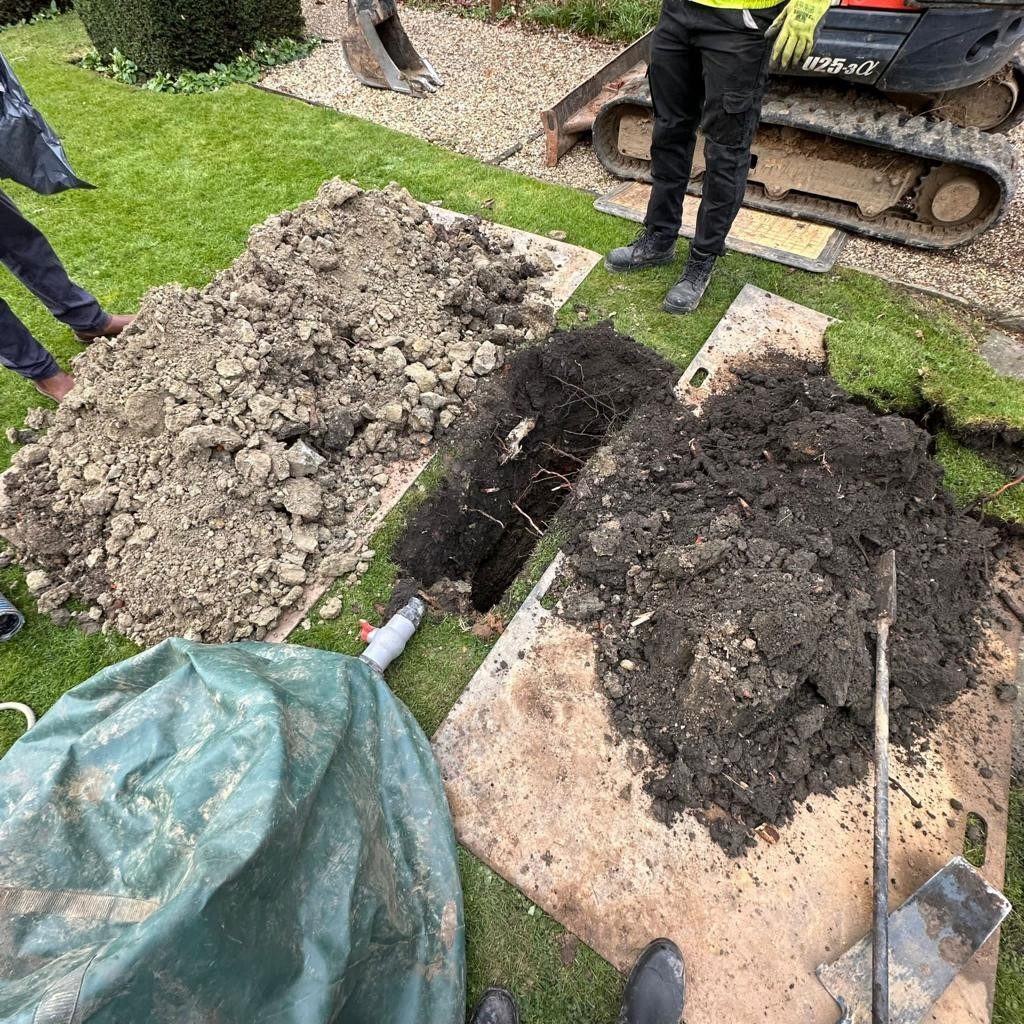
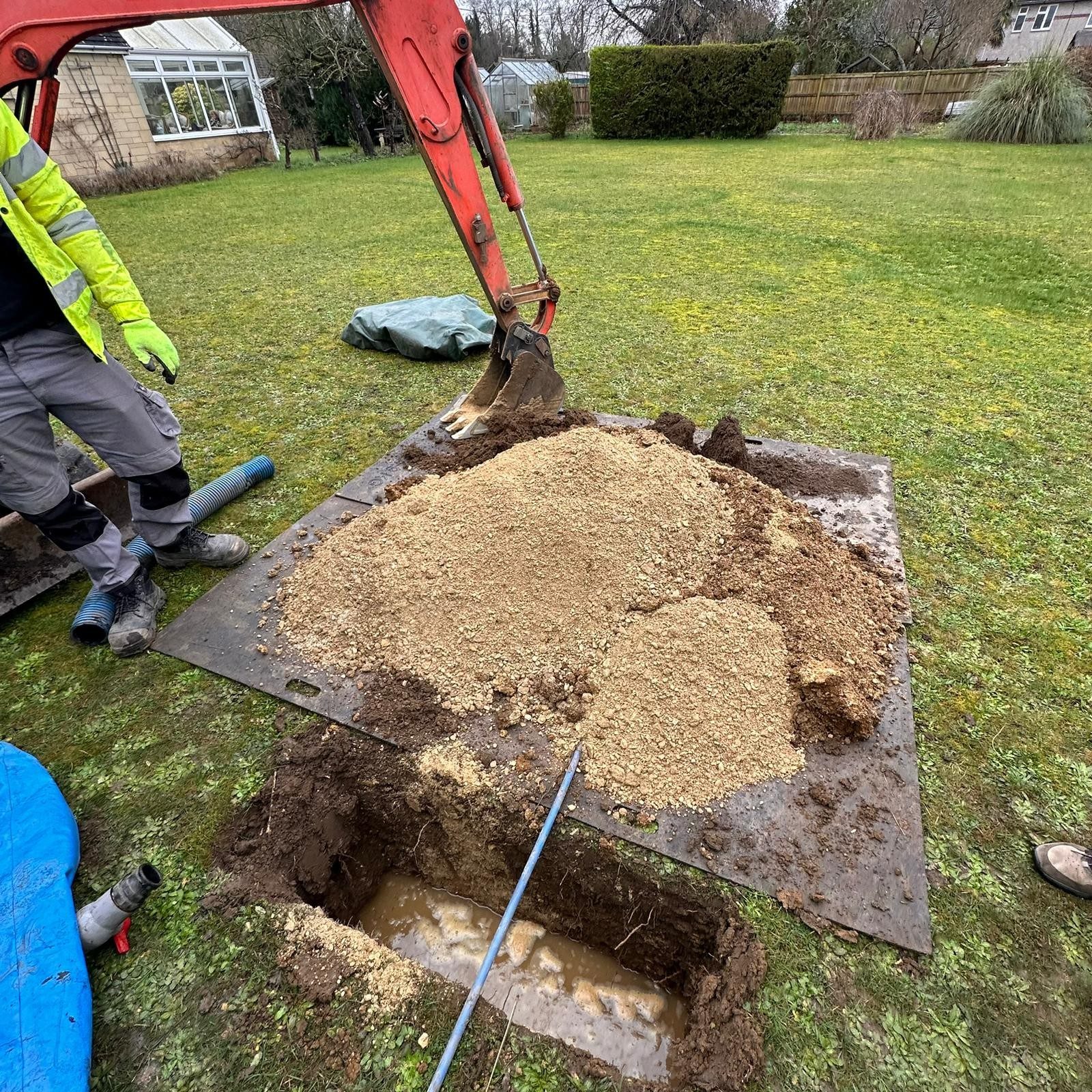
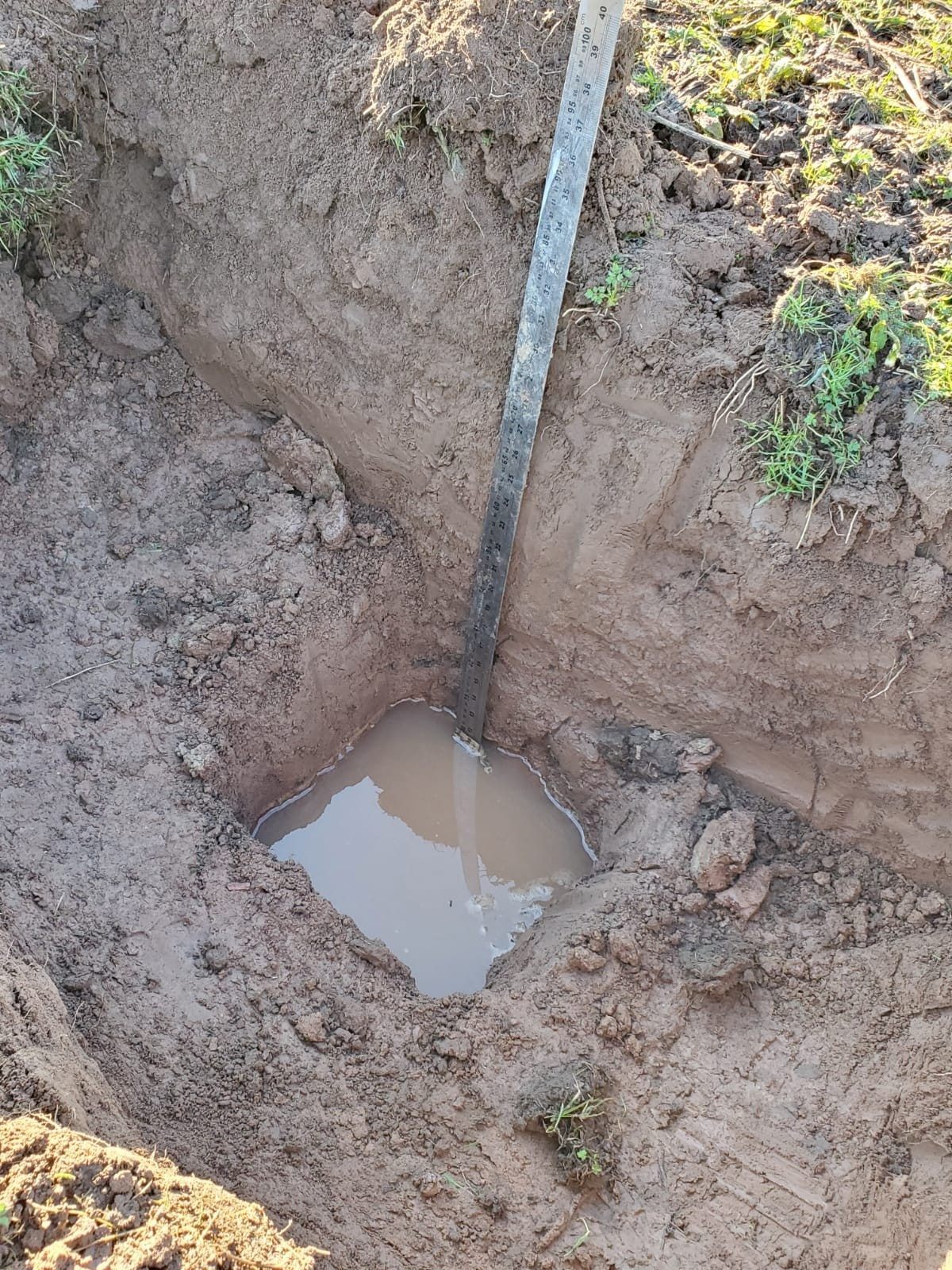
Percolation testing around Chester
Each dot is a site we have tested. 32 within twenty-five miles of Chester.