
Percolation Tests carries out BRE365 soakaway testing and foul effluent infiltration testing across Worcestershire, supporting planning applications, self-builds, and developments throughout the county.
Ground conditions in Worcestershire
Worcestershire’s geology varies significantly across the county, which has a direct impact on percolation rates. The Severn and Avon Vales are dominated by heavy clay and marl deposits, which typically drain slowly and often require larger soakaway crates or, in some cases, an alternative drainage strategy. Around Bromsgrove and the Lickey Hills, sandstone and gravel deposits generally percolate far more readily. Because of this variation, a site-specific test is essential rather than relying on assumptions from a neighbouring plot, even properties a short distance apart can return very different infiltration rates.
What we test for
- BRE365 percolation testing for surface water soakaway design (SuDS)
- Foul effluent infiltration testing under Part H of the Building Regulations for septic tank and treatment plant drainage fields
- Drainage strategy support, working alongside civil engineering partners
Coverage across Worcestershire
We regularly carry out testing across Worcester, Redditch, Bromsgrove, Kidderminster, Droitwich Spa, Evesham, Malvern, Pershore, and the surrounding villages and rural developments. We can typically attend site within a short timeframe of enquiry.
Why get a percolation test
Most local planning authorities in Worcestershire will require BRE365 percolation test results before discharging a drainage-related planning condition, particularly for self-builds and small developments not connecting to mains surface water drainage. Getting this done early avoids delays further down the line in your build programme.
Planning authorities in Worcestershire
Drainage conditions on Worcestershire planning permissions are set by the district or unitary council, and for larger schemes the Lead Local Flood Authority is consulted on the surface water strategy. Both expect infiltration to be considered first in the SuDS hierarchy and both expect the evidence to be a BRE Digest 365 test carried out on the site, not a figure taken from a map or a neighbour’s result. The authorities we most often write reports for in Worcestershire are:
- Worcestershire County Council: the Lead Local Flood Authority for all six districts
- Worcester City Council
- Wychavon District Council: Evesham, Pershore, Droitwich Spa
- Malvern Hills District Council: Malvern, Upton, Tenbury
- Wyre Forest District Council: Kidderminster, Stourport, Bewdley
- Bromsgrove District Council and Redditch Borough Council
If your decision notice asks for ‘infiltration testing in accordance with BRE 365’, ‘evidence of soakaway feasibility’ or ‘percolation test results to BS 6297’, that is what we produce, laid out so the case officer can find what they need without asking again.
Ground conditions in more detail
The Severn and Avon vales are Mercia Mudstone under alluvium, and they produce the county’s slow results; the Vale of Evesham adds Lias clay to that, and its market-garden soils sit on some of the least permeable ground we test. The other half of the story is the sandstone: Kidderminster, Stourport and Bewdley sit on the Bromsgrove and Kidderminster sandstones, which drain well, and the Bromsgrove and Lickey area does the same. The Malverns are hard Precambrian rock with thin soils and steep gradients, where the direction the water takes matters as much as how fast the ground drains. River terrace gravels along the Severn, Teme and Avon are the vale’s exceptions, and they are narrow. Redditch and the eastern edge are back on mudstone.
Which test does your site need?
A BRE 365 test sizes a surface water soakaway (roof and driveway run-off) and is what Approved Document H3 and the SuDS hierarchy point to. A BS 6297 test sizes a foul drainage field for a septic tank or package treatment plant under Approved Document H2. They use different pits, different procedures and different calculations.
The villages of the Teme valley, the Malvern side and the south of the county are largely off the mains foul sewer, so treatment plants and septic tanks with drainage fields are routine. Those fields are sized from a BS 6297 test, not a BRE 365 soakaway result: different procedure, different figure, and a condition asking for one is not met by the other. We do both on one visit where the site needs both.
What our testing in Worcestershire shows
We have carried out more than 110 tests within a dozen miles of the Worcestershire towns listed below since 2018. Of the sites where we recorded an outcome, roughly two in three did not achieve an infiltration rate that would support a conventional soakaway. That is not a reason to skip the test: it is the reason to do it early. A measured rate, even a poor one, is what your engineer needs to size attenuation or justify a different discharge, and it is what the authority will accept. A guessed rate is what gets a scheme sent back.
What you receive
- A full report with the recorded times for every pit and every fill
- The calculated infiltration rate, ready to hand to your engineer or planner
- Trial pit locations and depths
- Photographs of the testing on site
- A clear statement of whether a soakaway is viable, and if not, why not
Get a quote
Contact us for a free, no-obligation quote for percolation or infiltration testing anywhere in Worcestershire. Call 01902 475653 or request a quote online.
Towns and areas we cover in Worcestershire
- Worcester: Severn terrace gravels in the city, mudstone and alluvium around it; 37 tests within ten miles
- Kidderminster, sandstone that generally drains well; 38 tests within ten miles
- Redditch: Mercia Mudstone; marginal results are common; 13 tests within ten miles
- Bromsgrove: Bromsgrove Sandstone and the Lickey Hills, better odds than the vale; 30 tests within ten miles
- Malvern, hard rock and steep ground; where the water goes is the question; 31 tests within ten miles
- Evesham: Lias clay and Avon alluvium, among the slowest ground in the county; 21 tests within ten miles
Recent work near Worcestershire
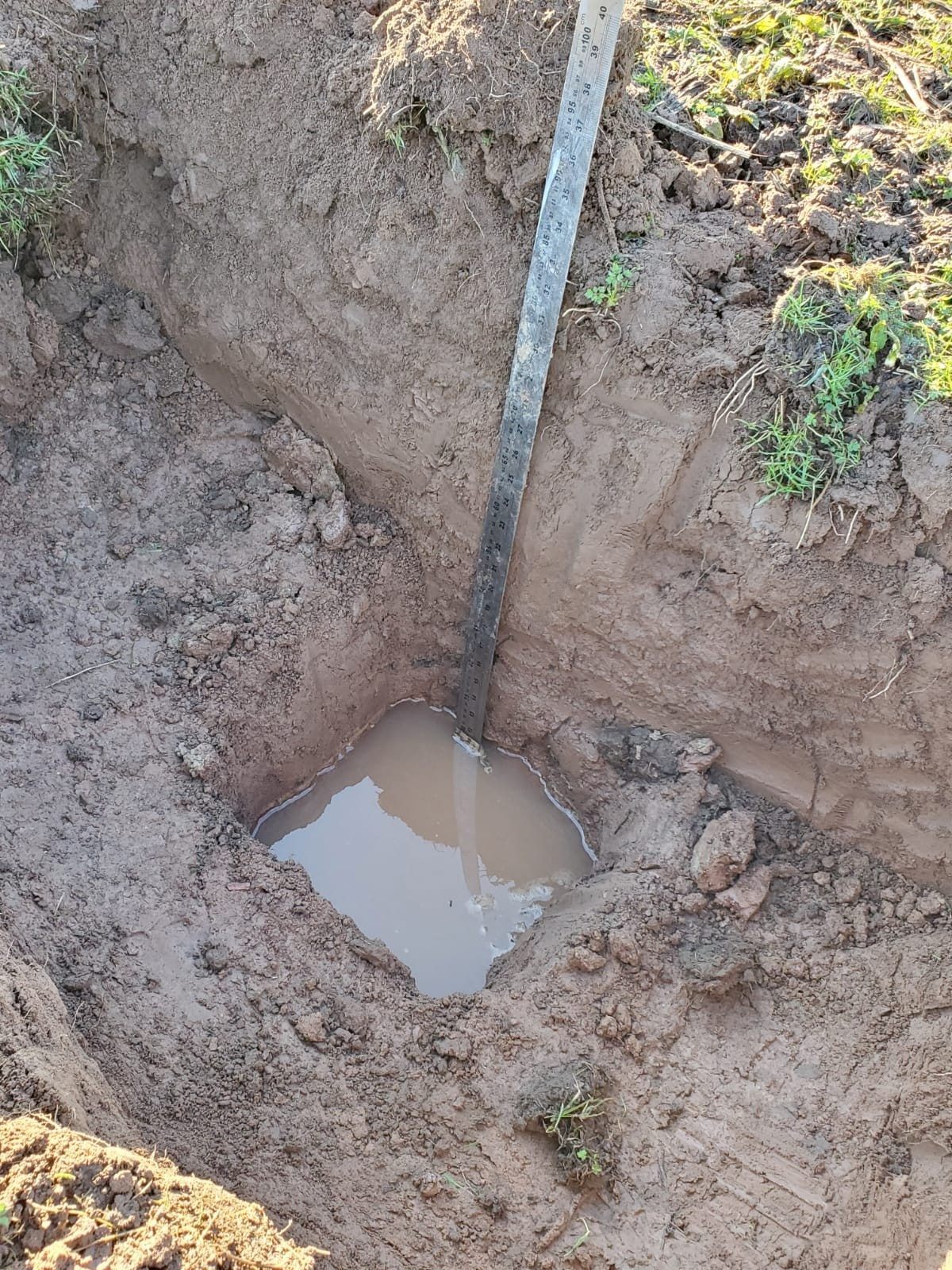
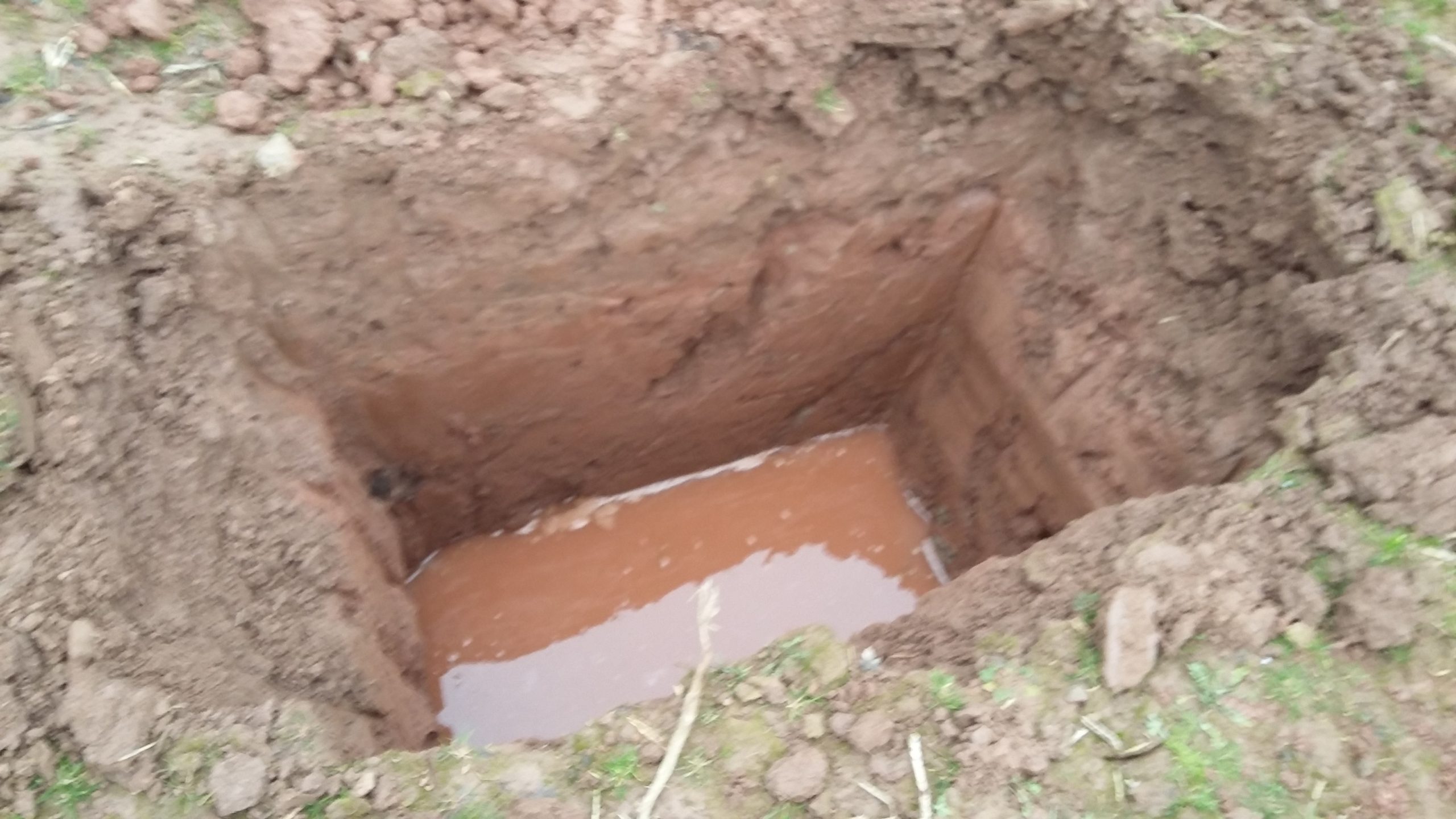
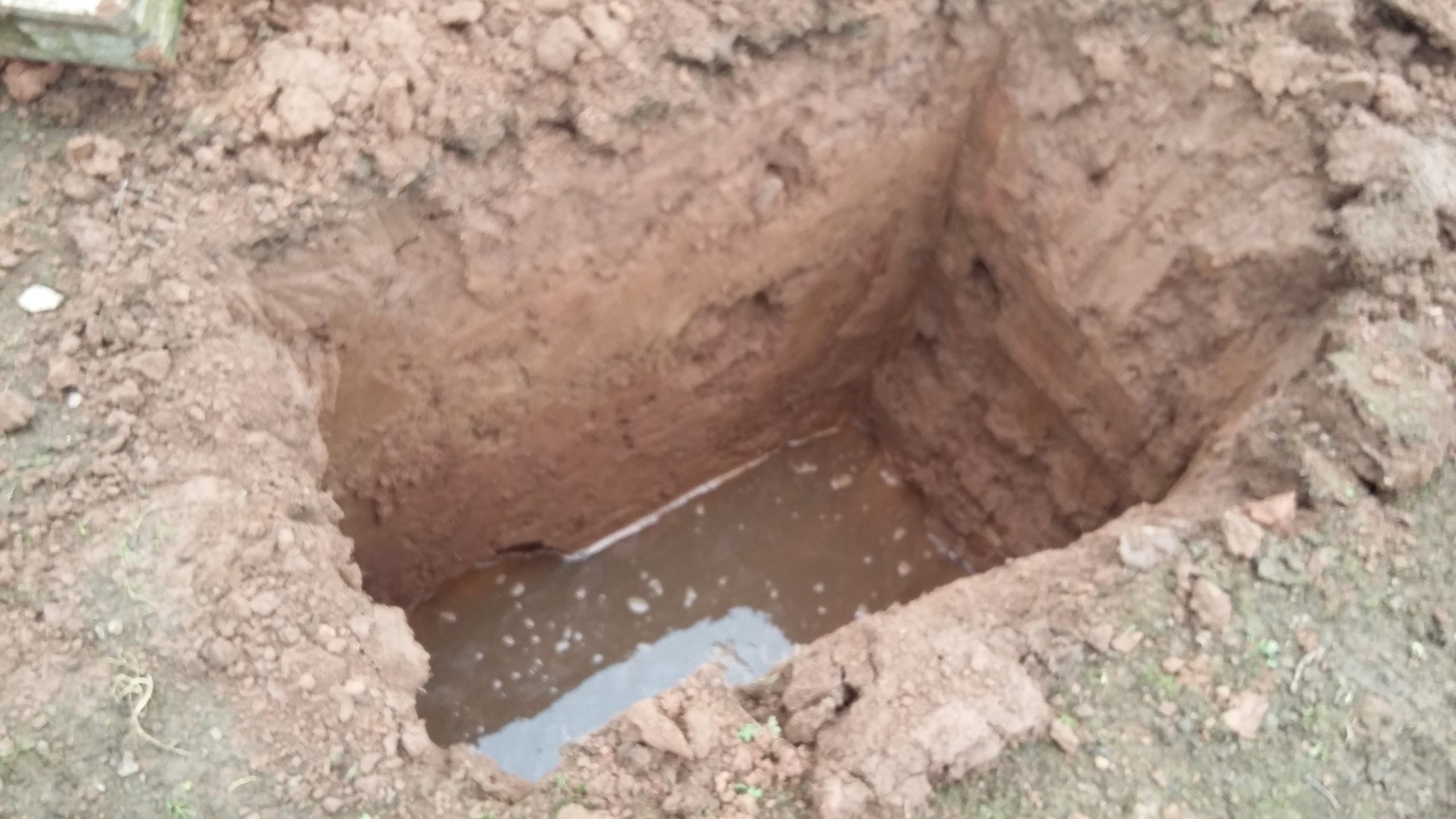
Percolation testing around Worcestershire
Each dot is a site we have tested. 26 within ten miles of Worcestershire, 132 within twenty-five.